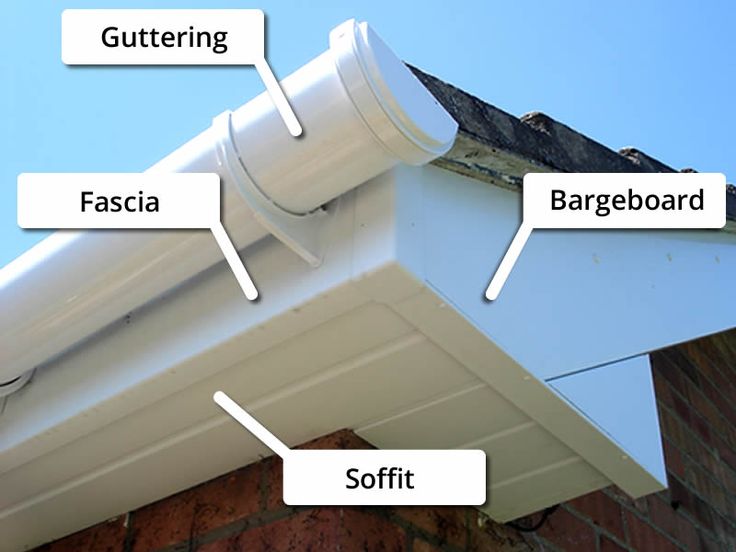
Quick answer: Gutters catch the water. Downpipes bring it down the wall, and a gully or another outlet should take it away at the bottom. On an Isle of Man property, leaves, moss and grit often show up in that last metre even when the gutter overhead looks clear from the ground. Before you book anything, walk each downpipe, look at the shoe and the gully, and note where water sits or spills. That is a scoping check. It is not a diagnosis of the drains under the garden, and it does not promise a particular finish.
This note sits beside CleanCo's guide to gutter, soffit and fascia cleaning. That guide is about the high-level run. This one is about where the water arrives at the ground. If the driveway or path below is green or holding puddles, the patio and pathway checklist covers the surfaces themselves.
What is the difference between a gutter, a downpipe and a gully?
A gutter is the channel along the roof edge. A downpipe is the vertical pipe that should carry water from that channel to the bottom of the wall. At the bottom you may see a shoe (a short angled outlet), a direct connection into a gully, or a pipe that disappears into the ground.
A gully is the grated or open trap at ground level that should accept that water and pass it into the drainage. Some properties have a channel drain across a drive instead. Some older houses discharge onto the surface and rely on the fall of the path. Write down which of those you actually have at each corner. A quote that assumes a gully, when the pipe simply ends above a slab, will describe the wrong job.
What can I check from the ground in October?
October is when leaves and needle fall start to move. You can do a visual check without ladders.
Walk the outside of the building after rain, if you can do it safely, and again on a dry day. For each downpipe note:
- Whether the pipe is still fixed to the wall, or whether a bracket has pulled out.
- Whether joints are stained, green, or visibly split.
- Whether the shoe points into a gully, onto a path, or against the wall.
- Whether the gully grate is covered in leaves, moss, or a mat of silt.
- Whether the ground against the wall is wet or discoloured when the rest of the path has dried.
- Whether water from the pipe splashes onto a door, a step, or a basement light.
Stay on the ground. A blocked hopper on a flat roof, or a gutter you cannot see, needs a separate look. CleanCo's gutter work is quoted from what can be reached safely, including high-reach vacuum clearing from the ground where that method fits the building. Say if you already know a section is out of sight.
What should I tell a cleaner so the quote matches the property?
Send a short list rather than "gutters and drains". The two jobs meet, and they are still different.
Useful details:
- How many downpipes you can see, and which sides of the building they are on (road, garden, passage).
- Photos of each shoe and gully, taken standing back far enough to show the wall, then a closer photo of the grate.
- Whether the property is a house, a holiday let, a shopfront or a block with shared pipework. Shared downpipes need the building owner's agreement before anyone works on them.
- Access limits: locked side gates, dogs, gravel that should not be walked on, or a passage too narrow for equipment.
- What you want done, in plain words: clear the gully grate, clear the visible outlet, or also clean the downpipe if the quote includes that.
If a holiday let is empty for the season, say so. Access and a place to put debris are easier to plan when guests are not arriving the same afternoon. The end-of-season holiday-let checklist covers the rest of a closing visit.
What sits outside a ground-level clean?
A visual check and a clear-out of leaves at a grate are property care. They are not a drain survey.
Leave these to the right trade, and mention them in the quote request so nobody assumes they are included:
- Water coming back up through the gully from underground.
- A smell from the drain, or a gully trap with no water in it.
- A downpipe that has come away from the wall and needs refixing.
- Cracked underground pipes, a soakaway, or a shared drain in a road.
- Anything inside a manhole. Opening chambers is not part of a gutter or gully tidy.
If rain is coming in at a doorway because the path falls the wrong way, cleaning the grate may remove a blockage and still leave the fall as it is. Say if water pools against the threshold. The wet-weather entrance checklist is about the mats and floor inside. The levels outside are a separate observation for the quote.
How should debris be left?
Agree this before the visit. Leaves and silt from a gully are wet and heavy. A useful request says whether you have a compost bin, a garden waste bag, or whether the debris should be taken away. It also says which planting under a downpipe should be avoided.
Artificial grass, pale paving and painted render mark easily if silt is dragged across them. Point those surfaces out in the photos. Roof and driveway cleaning, if you want them in the same visit, are scoped in the gutter, roof and driveway guide. Ask for them by name so they are on the quote.