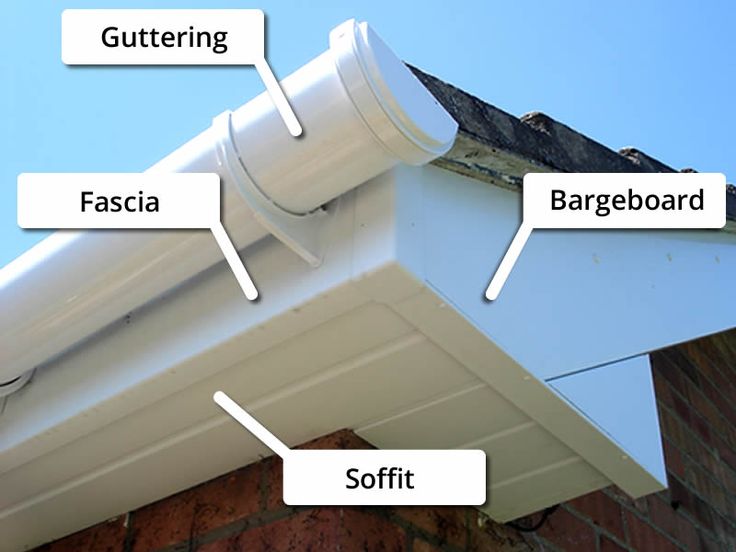
Gutter clearing and cleaning the visible soffits and fascias are related jobs, but they solve different problems. Clearing removes leaves, moss and debris from the rainwater channel; washing tackles the film, algae, spotting and weather staining on exterior uPVC. A useful Isle of Man quote should say which of these tasks is included instead of treating them as one vague service.
This guide helps with routine cleaning decisions. It is not a roof survey, drainage diagnosis or repair specification. Overflow can come from debris, but it can also indicate a damaged joint, incorrect fall, restricted outlet or downpipe problem that cleaning alone will not fix.
Quick gutter, soffit and fascia checklist
- Note where water overflows during rain and whether it is near a door, path or wall
- Photograph visible weeds, moss, sagging sections, staining and leaking joints from ground level
- Identify conservatories, extensions, narrow side access, slopes and overhead obstacles
- Ask whether the scope includes debris removal, outlet checks and before-and-after camera views
- Confirm separately whether soffit, fascia and outside gutter-face washing is included
- Keep people, pets and vehicles clear of the working area
- Report cracks, loose fittings or suspected roof defects rather than expecting cleaning to repair them
What each part does
Gutters and downpipe outlets
Gutters collect roof water and direct it towards outlets and downpipes. Leaves, wind-blown material, roof moss and silt can restrict that route. Clearing focuses on restoring a usable channel where access and condition allow; it does not prove that hidden underground drainage is clear.
Soffits and fascias
Fascias are the outward-facing boards at the roof edge, while soffits sit beneath the overhang. Their visible surfaces can collect traffic film, cobwebs, algae and coastal grime. Washing can improve presentation, but faded, cracked or failing material may need repair or replacement rather than stronger cleaning.
Why Isle of Man properties need site-specific planning
Exposure varies across the Island. Wind-driven rain and sea spray can affect coastal elevations around Peel, Ramsey, Port Erin and Castletown, while trees, shade and moss can increase debris elsewhere. Douglas and Onchan properties may add tight access, parked vehicles, extensions or public paths. The town name alone does not determine the method: photos and an access check are more useful.
July is a practical time to inspect rainwater routes before autumn leaf fall, but work still depends on wind, rain and safe access. A dry day can make exterior washing and visual checks easier; it cannot guarantee that every leak will be visible without rainfall or a controlled test.
Warning signs worth recording
- Water spilling over one point during ordinary rain
- Plants, moss or compacted debris visible above the gutter line
- Dark streaks or repeated damp marks below joints and outlets
- A gutter section that appears loose, twisted or lower than its neighbours
- Green film, spotting or heavy grime across fascia and soffit surfaces
- Water appearing where a downpipe meets the wall or ground
These signs help define the inspection, but they do not prove the cause. Persistent damp, damaged render, roof leaks or concealed drainage faults should be referred to an appropriate specialist when they fall outside a cleaning scope.
Ground-based vacuuming and camera inspection
CleanCo lists high-reach vacuum gutter clearing with camera inspection. Ground-based equipment can reduce the need to work directly at roof-edge height and can help document accessible sections before and after clearing. Suitability still depends on height, reach, access, gutter condition and obstructions; the equipment description should not be read as a promise that every roofline can be reached from the ground.
Camera views are useful evidence of visible conditions, not a structural certification. Ask what areas were accessible, what could not be seen, whether outlets were checked and whether any suspected defect needs a roofer, drainage contractor or other specialist.
Do not improvise unsafe access
Avoid leaning from windows, walking on roofs or placing ladders on unstable ground to investigate a blockage. The UK Health and Safety Executive's work-at-height guidance emphasises planning, competent work and suitable equipment. For a quote, ground-level photos and a description of the symptoms are safer and usually more useful than a risky close-up.
What to send for a useful quote
- Your town or area and whether the property is detached, semi-detached, terraced or commercial
- Approximate storeys and the rooflines or elevations needing attention
- Ground-level photos of the front, rear and difficult-access sides
- Locations of conservatories, extensions, sloping ground, narrow passages and parked vehicles
- Where and when overflow, dripping or staining appears
- Whether you want internal gutter clearing, camera inspection, exterior uPVC washing or all three
- Any known loose fittings, leaks, roof issues or previous repair advice
Aftercare and realistic expectations
There is no honest fixed cleaning interval for every Isle of Man property. Nearby trees, roof moss, exposure, gutter size and building shape all influence how quickly debris returns. Keep dated photos, observe the roofline during safe ground-level checks after heavy rain, and arrange further investigation when overflow continues after accessible debris has been removed.
Cleaning can brighten exterior uPVC, but it cannot reverse permanent discolouration, repair seals, restore failed coatings or correct damaged rainwater goods. Agree exclusions before work and treat a recurring fault as a repair issue rather than repeatedly ordering a stronger clean.