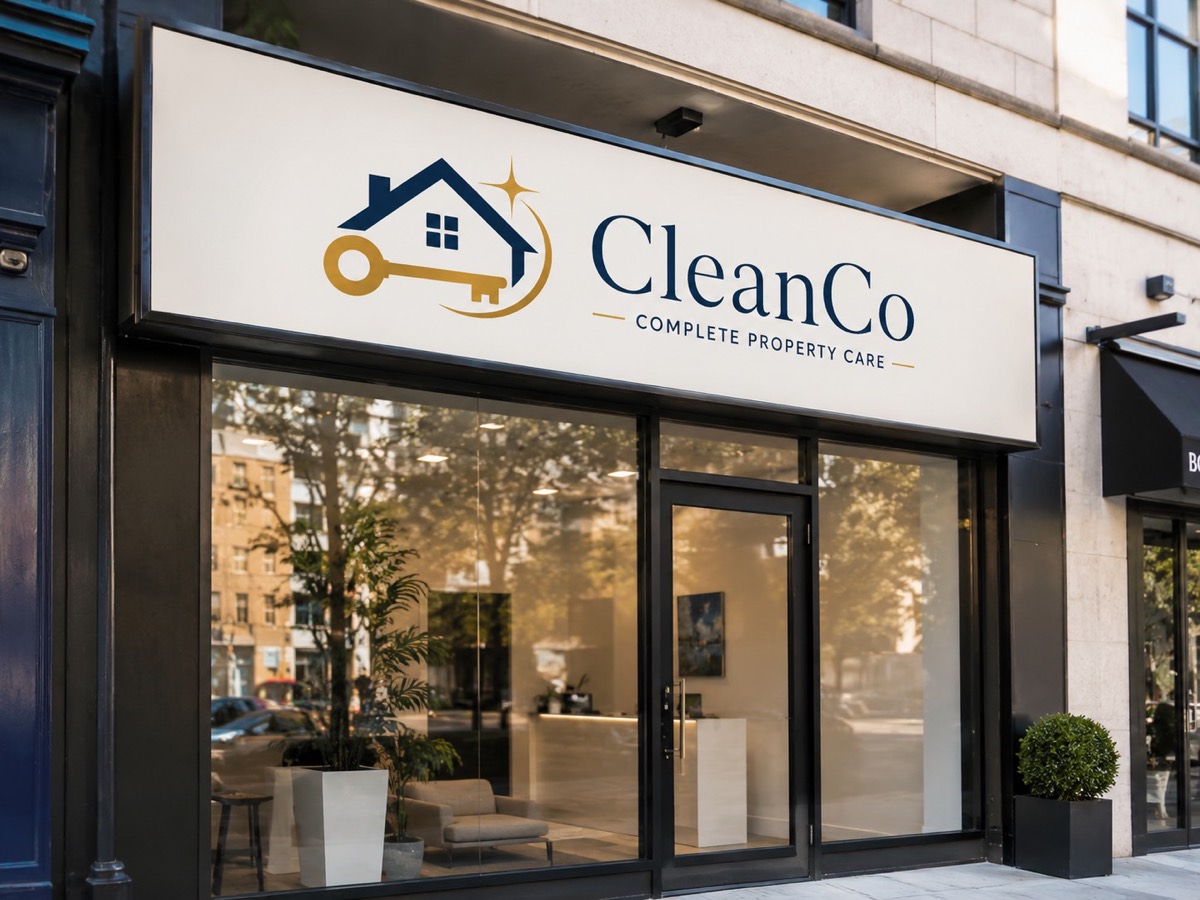
A shopfront or business sign can look tired long before it looks dirty enough to force action. On the Isle of Man, salt in the air, wind-driven rain, road film, pollen, algae, gull mess, fingerprints and dust from busy entrances can dull signs, windows, frames, steps and customer-facing exterior areas.
This checklist is for local shops, offices, hospitality venues, salons, clinics, landlords and small commercial premises that want a cleaner first impression without making unsupported claims about guaranteed results, safety certification or fixed maintenance intervals.
Quick answer
Book shopfront or signage cleaning when customers can see dull panels, green edges, salt haze, rain streaks, road film, dirty frames, marked entrance glass or slippery-looking steps before they enter. Confirm access, height, opening hours, water supply, fragile materials and nearby public footfall before work starts.
Why Isle of Man shopfronts pick up grime
Business exteriors sit in the weather every day. Coastal air can leave a pale film on panels and glass, repeated rain can pull dirt down fascia boards, and shaded corners can hold algae around signs, cladding, sills and steps. Premises near parking, delivery bays or main roads can also collect traffic film faster.
- Shop signs where lettering is still readable but looks dull in photos
- Window frames, sills and entrance glass marked by hands, rain and traffic film
- Cladding, fascia boards and panels that have green edges or black streaks
- Steps, pathways and thresholds where algae or dirt affects first impressions
- Holiday, retail or hospitality premises preparing for busier visitor periods
What to include in the cleaning scope
A useful commercial exterior quote should separate the sign itself from the surrounding surfaces. A business may need only the fascia and entrance glass refreshed, or it may need the sign, cladding, steps, windows and nearby pathway cleaned together so the whole frontage looks consistent.
- Sign panels, raised lettering and surrounding fascia where safe to clean
- Exterior windows, frames, sills, doors and visible entrance glass
- Cladding, rendered walls or panels that need a gentler clean than high pressure
- Steps, pathways and thresholds where customers walk in from the street
- Nearby gutters, downpipes or roof edges if they are feeding dirt back onto the frontage
Access, opening hours and customer safety
Commercial cleaning needs planning around people as much as surfaces. A frontage on a narrow pavement, a shared car park, a delivery route or a busy customer entrance needs a different access plan from a closed private yard.
- Share photos showing the whole frontage, the highest point and the pavement or parking area
- Say whether work must happen before opening, after closing or during a quieter trading window
- Flag fragile sign materials, electrics, loose trim, old paint, decals or vinyl lettering
- Confirm water access, parking, locked gates, keyholding and any landlord restrictions
- Discuss how wet surfaces, trip hazards and public footfall will be managed during the clean
When a gentle clean is better than pressure
Not every commercial exterior should be pressure washed. Some signs, older paint, seals, vinyl graphics, cladding joints and rendered surfaces can be marked or forced open by the wrong method. A slower, lower-pressure or soft-wash style approach may be more suitable where the aim is to refresh the frontage without damaging materials.
What cleaning cannot fix
Cleaning can improve dirt, algae and weathering, but it cannot repair cracked signs, faded vinyl, failed lighting, damaged cladding, peeling paint, blown glazing, unsafe fixings or poor drainage. If the sign or frontage is damaged, cleaning should be treated as one part of a wider maintenance decision.
A practical booking checklist
- Photograph the sign, shopfront, entrance, steps, windows, cladding and access route
- List opening hours, quiet trading windows and any shared access constraints
- Flag electrics, lighting, decals, old paint, loose trim or fragile panels before booking
- Confirm whether windows, frames, signs, steps and pathway cleaning should be quoted together
- Plan the clean before visitor peaks, photos, inspections, seasonal offers or a relaunch rather than after the frontage already looks neglected